With frequent grilling, the working lining comes into contact with embers, fuel, and tools. Its protection starts with checking its condition, not with applying an additional coating. Inspect the cold firebox before the June season and mark areas that require clarification.
Check the bottom and supports
Remove loose residues using a method suitable for the lining. Examine the bricks at the grate and at the ash removal areas. A damaged edge can affect the support of equipment, even if the remaining surface looks fine.
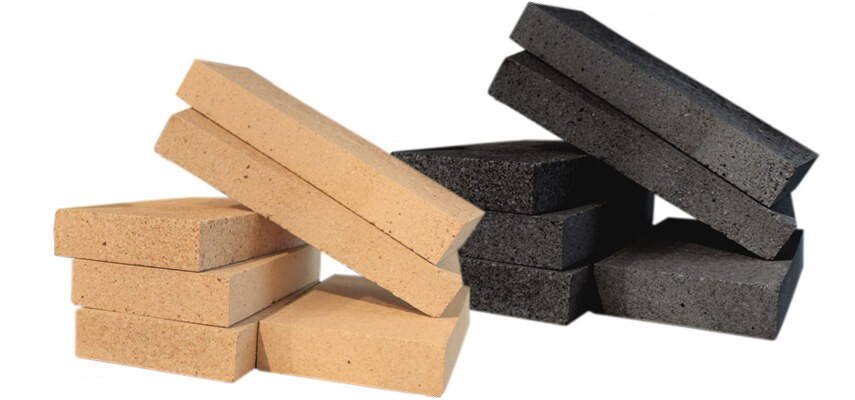
Vitcas firebricks are selected according to the proper function and firebox conditions. When replacing, compare the format, thickness, and support with the design. Do not accidentally increase the size of the element, as this may change the position of the grate and the intended gaps.
Identify the type of joint
A narrow missing joint, large spalling, and movement of the entire brick require a separate assessment. Outdoor Oven Cement is used in compatible external refractory joints. Heatproof Screed is also used for suitable larger fills, but neither of them removes the cause of support settlement.
Check the edges of the repair area after removing weak material. The new joint must have a proper base and geometry. The product temperature rating alone does not confirm the durability of the patch on a loose lining.
Prepare the firebox for further work
Detail the surface preparation, repair execution, and the required curing and drying. Protect the fresh work according to the instructions, also against precipitation. A short break between barbecue sessions does not change these requirements.
After preparation and the planned heating, return to cold inspection. Compare photos of supports, bricks, and joints. If the defect repeats in the same place, check the method of using tools, equipment movement, and the condition of the support, instead of adding additional layers of material.