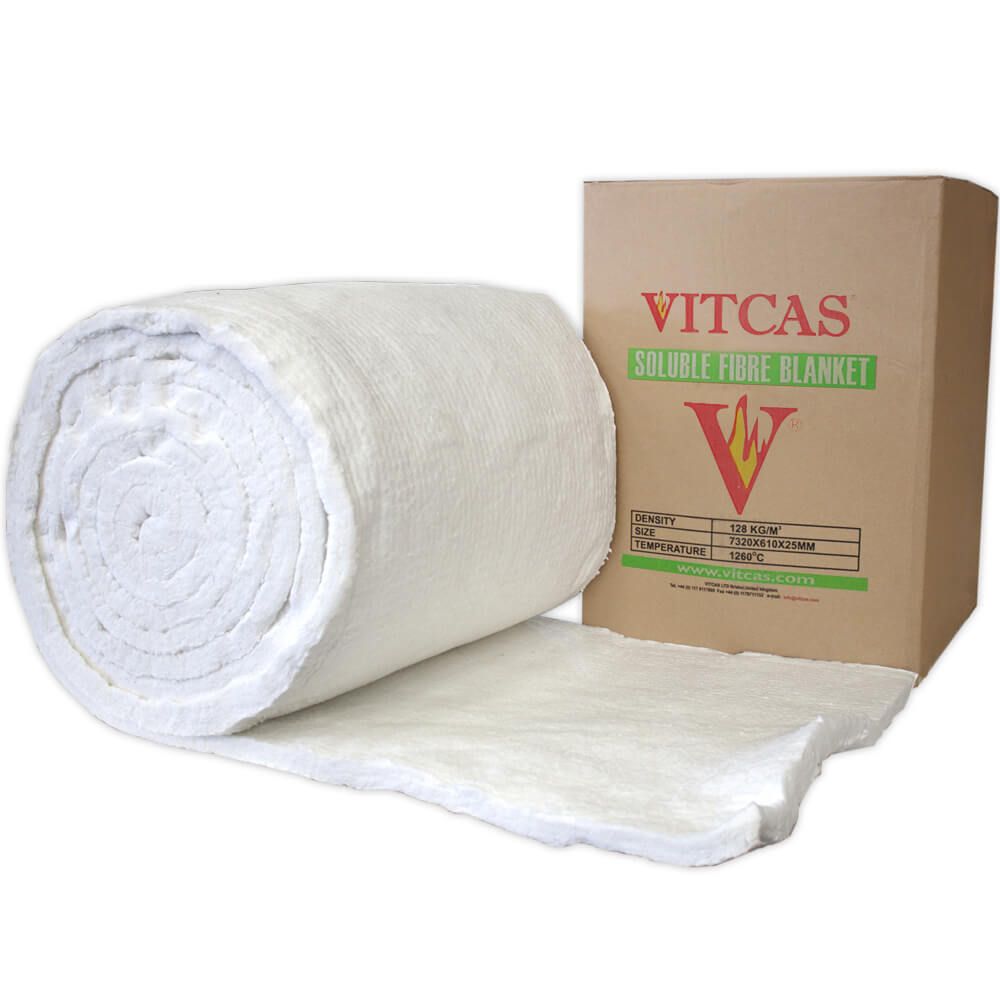
Ceramic fibre blanket is an insulation format that can be adapted to the appropriate oven surfaces. Its task is to limit heat flow in the intended system. Selection does not end with the product temperature: thickness, continuity, and the method of retaining the layer are also important.
The format depends on the installation location
Vitcas ceramic fibre blanket can create the described flexible insulation layers. Draw its placement around the chamber and at the terminations. Pay special attention to corners, where it is easy to leave an uncovered section.
ceramic fibre board is a rigid form of this type of insulation and has its own applications. The soft blanket does not arbitrarily replace it under the weight of the chamber. In cross-section, each layer should have defined support and function.
Maintain thickness during installation
Compare the format and thickness with the device design. Accidental compression and stretching change the layer arrangement. Do not calculate the achieved housing temperature from the maximum value given for the fibre alone.
Ceramic Fibre Adhesive is used for the described bonding of compatible insulation with the substrate. Check the mounting instructions and the retention of the complete assembly. The adhesive does not automatically replace all intended supports and protective elements.
fibres require a proper environment
The insulation should be secured according to the solution, also at the edges and along the service path. Do not leave fibres accidentally exposed in the food chamber. When cutting and fitting, use the requirements of the safety data sheet for the specific variant.
Record the layout of the strips and take photos before closing the enclosure. If a local temperature change occurs later, it will be possible to compare the completed cross-section. The blanket performs its function as part of the system; it does not replace water protection or requirements for adjacent materials.